

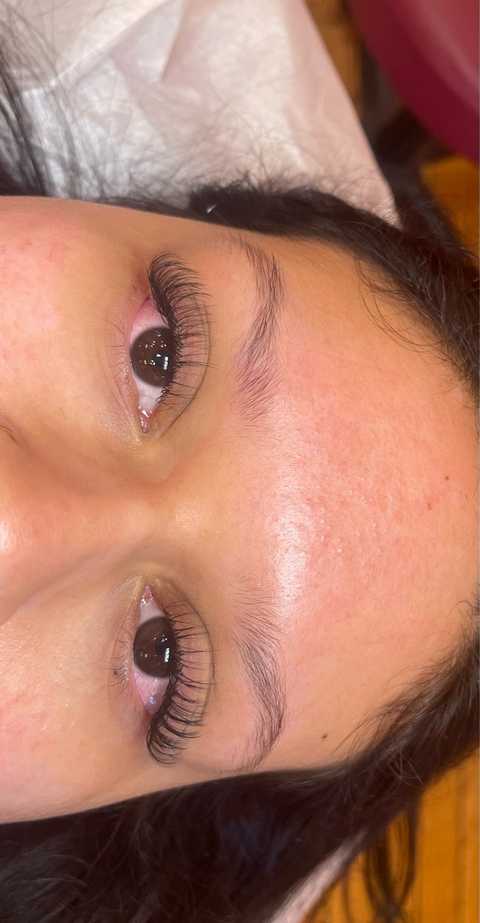
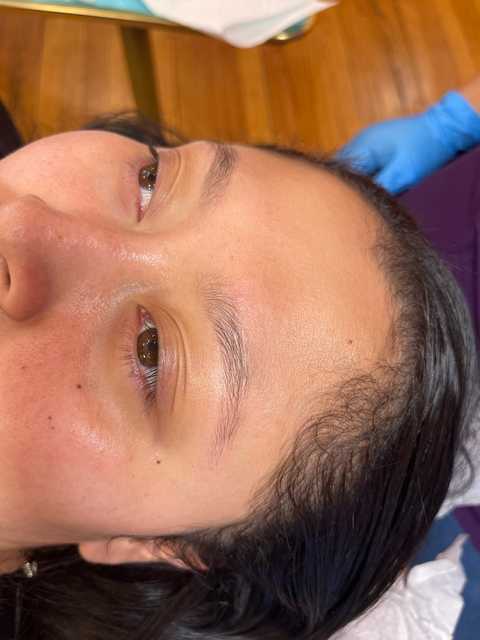
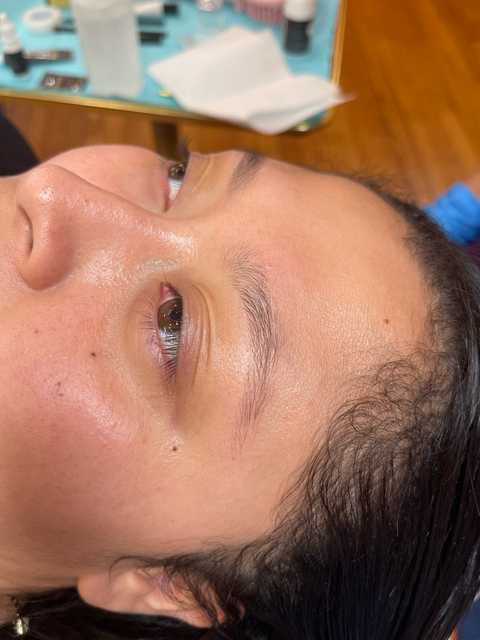
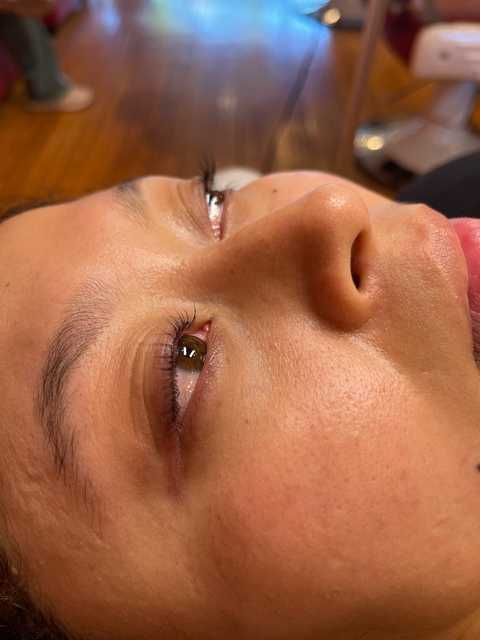
Tinting (Without Threading) Gallery
$$MultiPurposeText$$
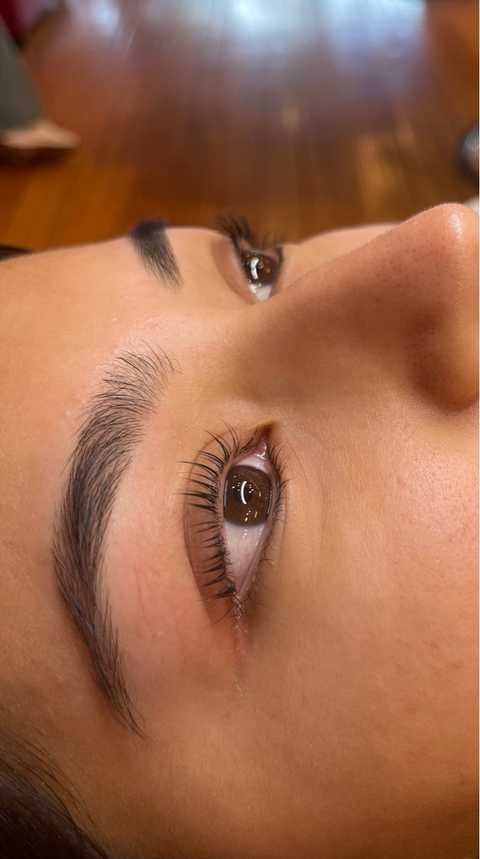
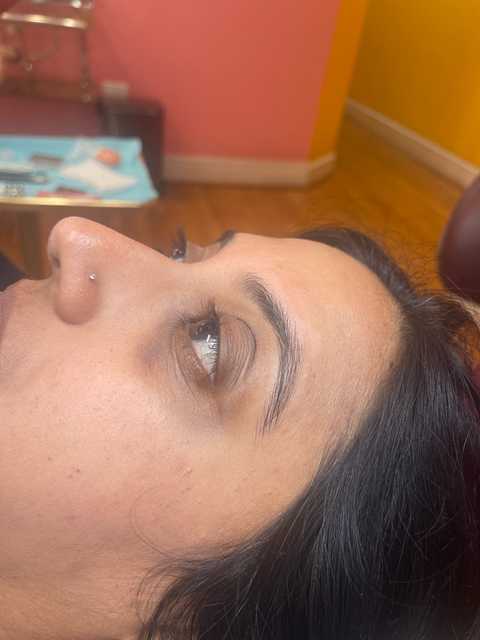
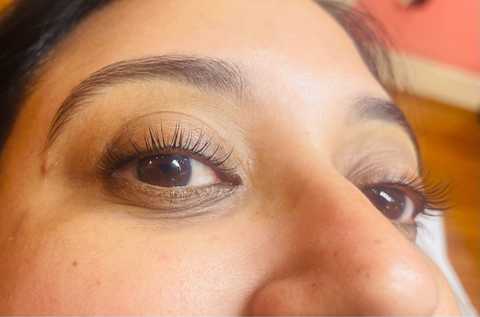
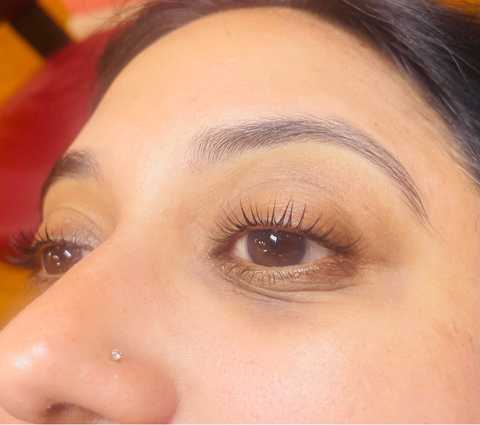
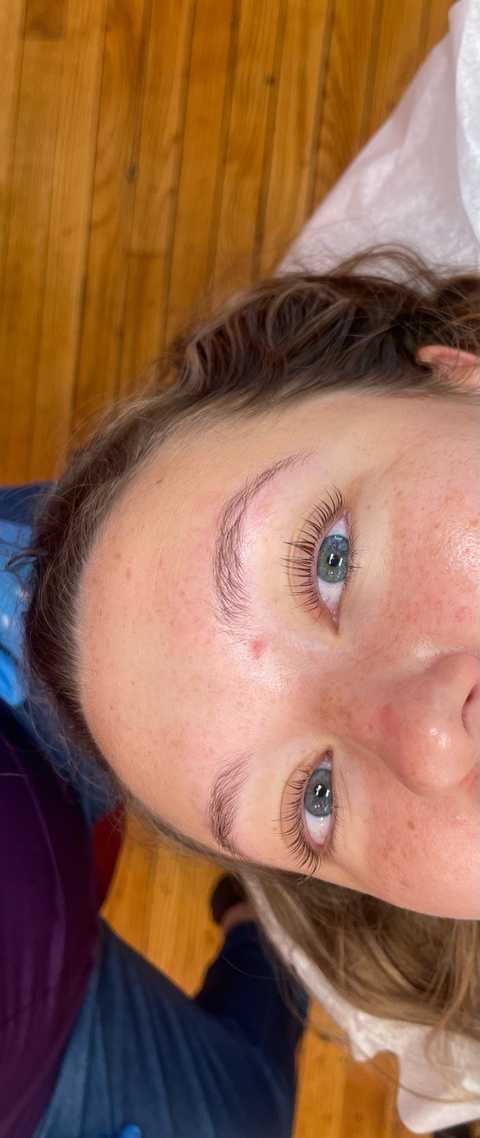
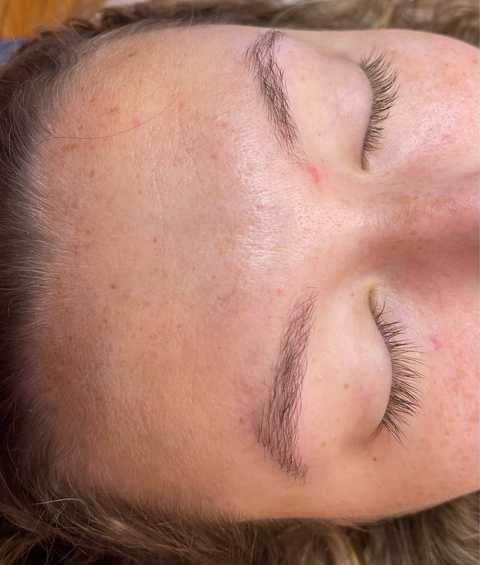
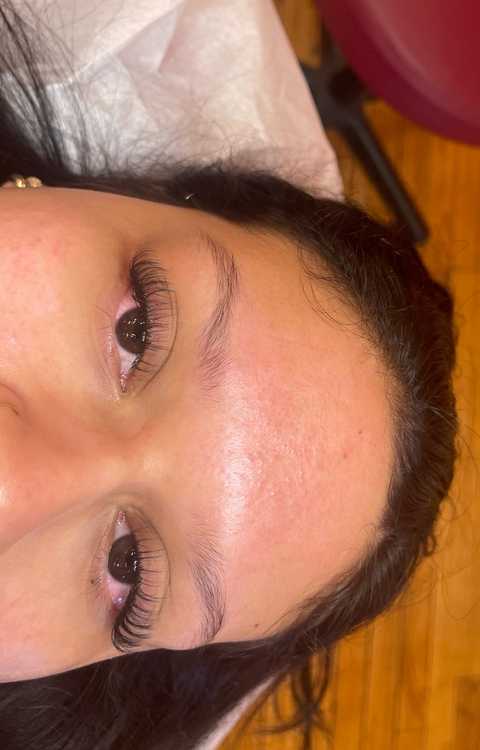
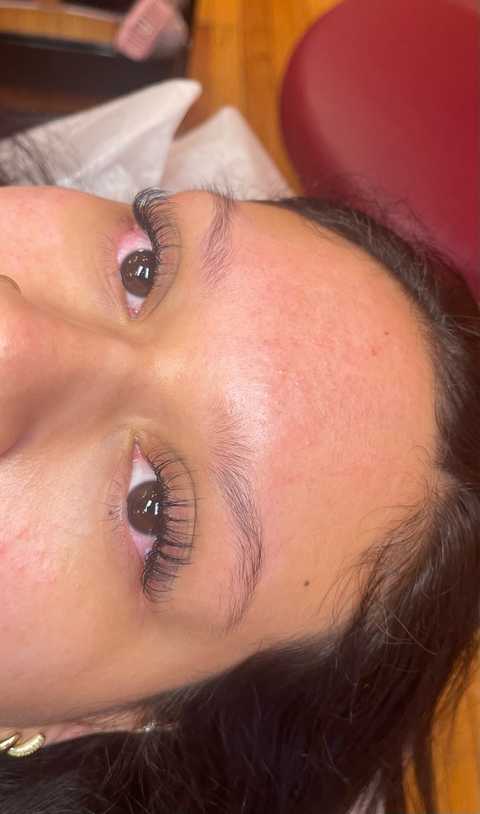
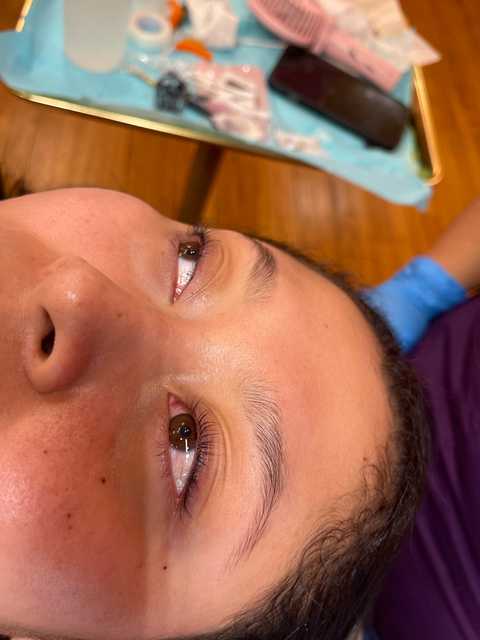
See examples of our Tinting (Without Threading) work and results.



What Our Clients Say
$$MultiPurposeText$$
Read testimonials from our satisfied customers

My favorite wax place in DC. Lipoma is so thorough and empathetic as I’m sensitive. I only...more

Love getting my eyebrows threaded here and very happy with my lash lift and tint - Parmili...more

Fantastic experience at Merinaz! Estheticians are very kind and make it a smooth experienc...more

Excellent eyebrow service! Friendly staff, great attention to detail, and my brows turned ...more

Threading is so quick and reliable — especially Lucia and Pramilla!

Great place! 1. Eye brow threading +/- tint. Really, cannot overestimate impact of good ey...more

Frequently Asked Questions
Get answers to common questions about Tinting (Without Threading).
Tinting typically lasts four to six weeks depending on hair growth, skin type, and aftercare. Color gradually fades rather than growing out, and scheduled touch-ups every four to six weeks keep brows looking fresh and defined.
Tinting is semi-permanent: it coats the hair shaft and will fade over weeks, not permanently altering hair structure. Results are temporary and repeat treatments are required; always disclose allergies or prior chemical treatments before service.
Yes. We recommend a patch test at least 24 to 48 hours before your Tinting appointment to check for sensitivity or allergic reaction. The patch uses the chosen tint on a small skin area to ensure safe, comfortable treatment.
Yes. Tinting can darken fine and vellus hairs to visually enhance fullness and shape, adding color to sparse areas. Results vary by hair density; a consultation will determine if tint alone meets your desired look.
Aftercare matters: avoid water, steam, heavy sweating and makeup on the tinted area for 24 hours. Avoid exfoliating products and prolonged sun or chlorine exposure for several days, use gentle cleansers, and schedule touch-ups as needed.
Often yes, but disclose any prior tinting, dyes, or microblading. The technician will assess existing pigments and hair condition to determine safe timing, shade selection, and whether a patch test or color correction plan is needed.